
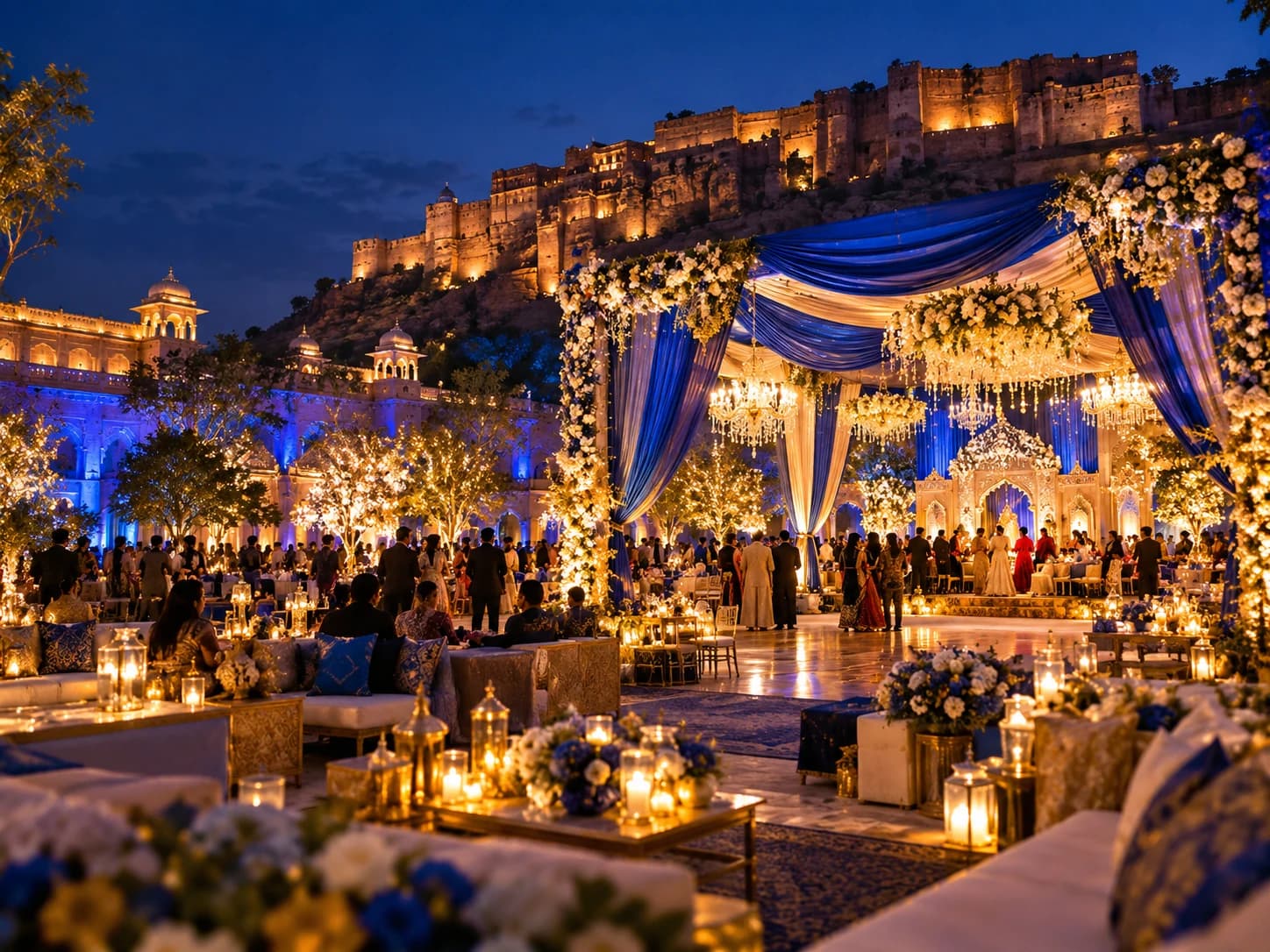
Corporate Event Management in Udaipur
Corporate Event Management in Udaipur, Planned End to End
Conferences, incentive trips, gala dinners and product launches at palaces, heritage hotels and resorts, with hospitality, production and logistics handled by one team.
Event Types
Corporate and VIP Events We Manage
Conferences and summits
Venue sourcing, stage and AV coordination, registration, speaker hospitality and delegate stay for one-day and multi-day programmes.
Incentive trips and retreats
Leadership retreats and team rewards at heritage hotels and resorts, with activities, dining and transfers planned end to end.
Gala dinners and award nights
Formal evenings with stage, lighting, entertainment, anchors and plated or buffet dining in palace and heritage settings.
Product launches and brand events
Stage design, guest flow, branding and technical production for launches, dealer meets and brand activations.
Annual meets and dealer conferences
Programmes that combine business sessions, recognition and entertainment for large teams travelling to Udaipur.
VIP and delegate hospitality
Arrivals, transport, accommodation and planning team support for senior guests, speakers and international visitors.
Our Work
Event Setups for Every Format
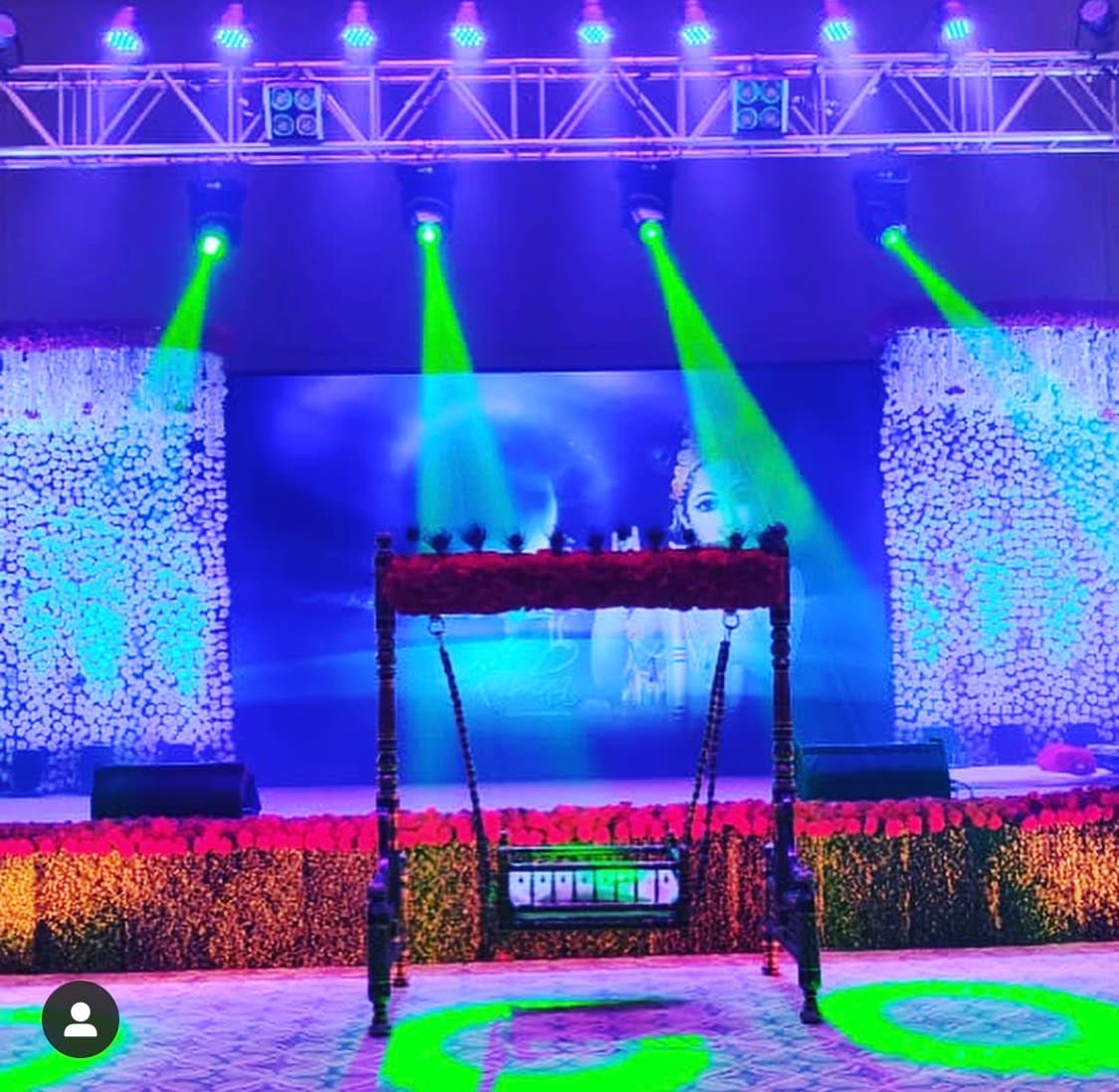 Gala evenings
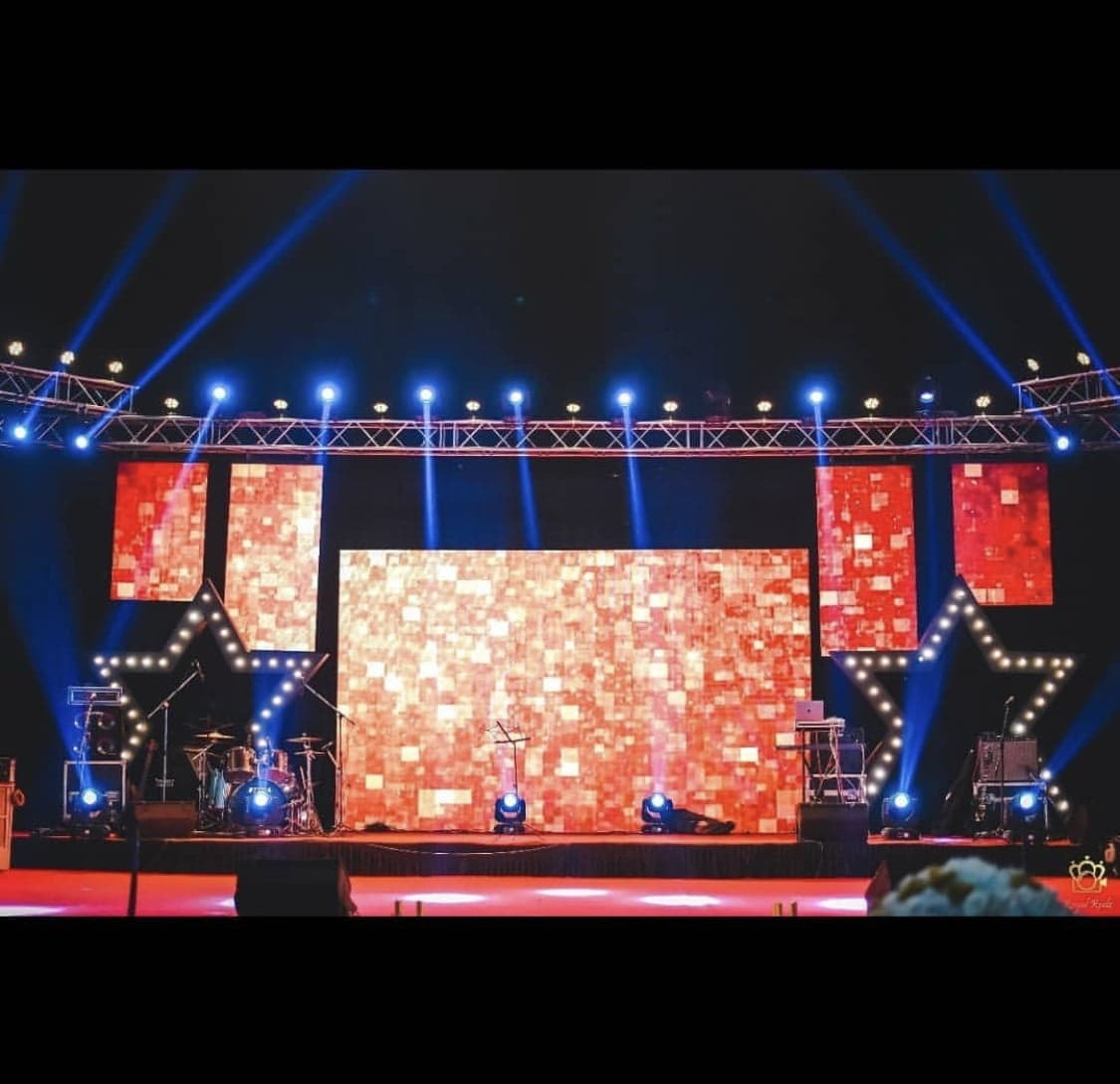 Conferences and launches
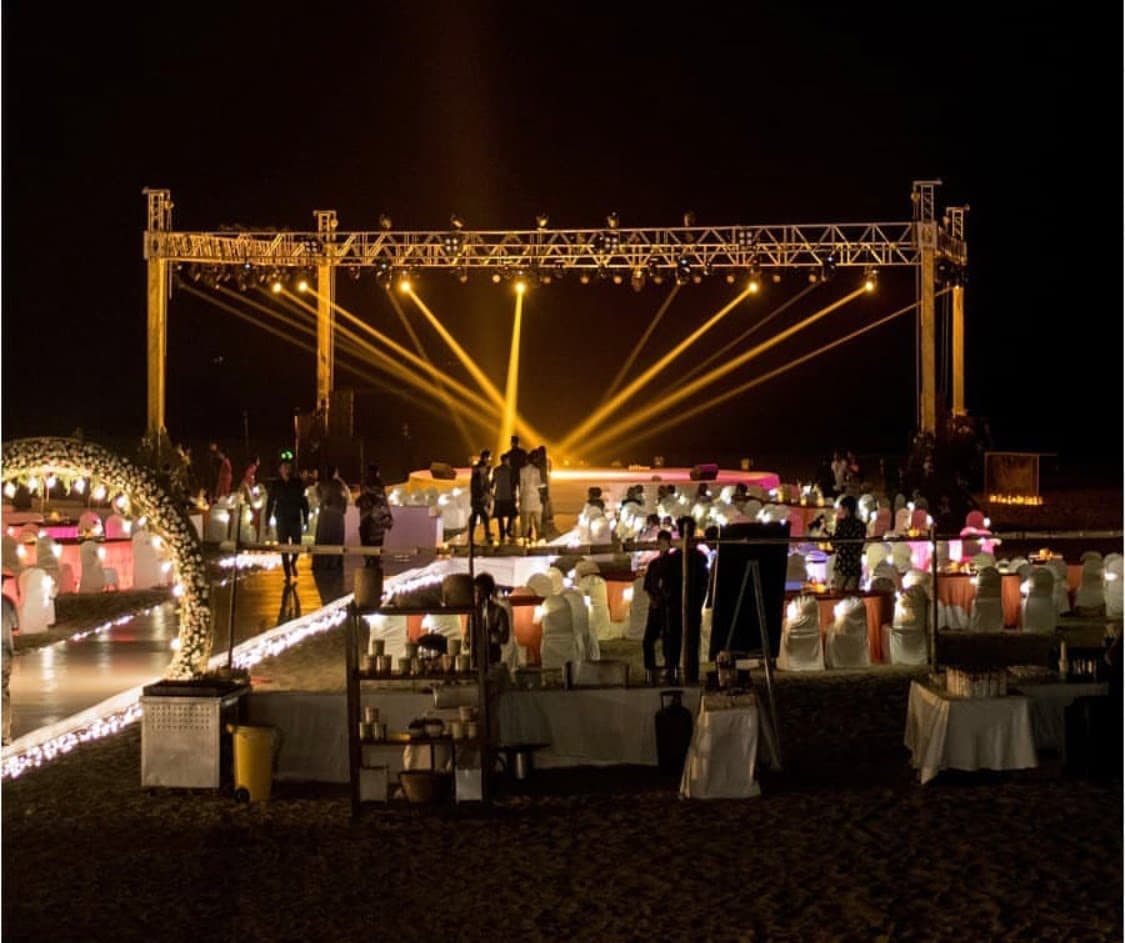 Outdoor dinners
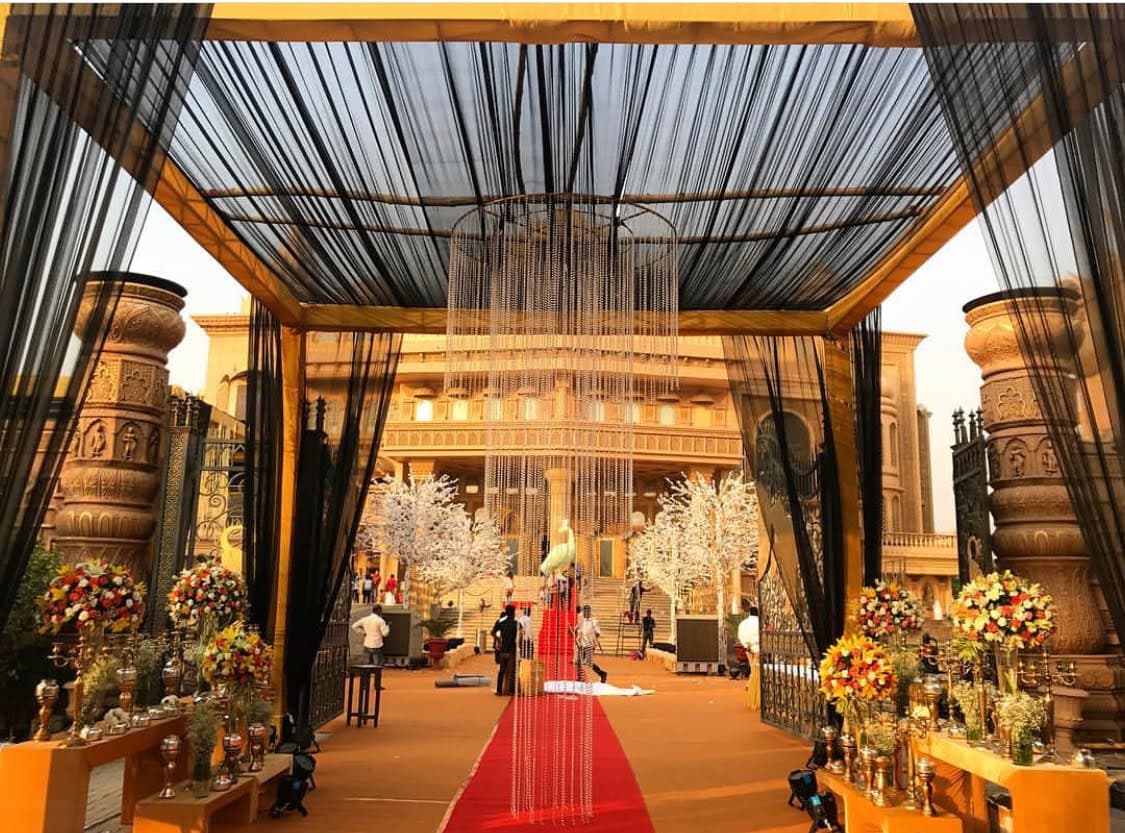 Formal receptions
How We Work
From Brief to Event Day
- 01
Brief and objectives
We understand your agenda, headcount, dates and budget, and recommend venues and a programme.
- 02
Venue and budget plan
We shortlist venues, arrange visits (or photo and video walk-throughs if you live abroad) and share a clear written estimate.
- 03
Design and vendors
Decor concepts, caterers, photographers, artists and logistics are confirmed with your approval at every step.
- 04
Guest and travel planning
Room blocks, arrivals, transfers, welcome plans and the function-by-function itinerary are arranged for your guests.
- 05
Final walk-through
We inspect the venue, brief every vendor and rehearse the key moments such as the entry, pheras and dinner service.
- 06
On-ground execution
The Rasm team runs the schedule on location so your family can celebrate while we manage the details.
Corporate Event Management Company in Udaipur, Rajasthan
A palace courtyard can make a gala dinner memorable. A heritage hotel can give a leadership retreat a welcome change of pace. But a successful corporate event needs more than an impressive backdrop: guests must arrive comfortably, speakers need reliable production and the programme must fit the venue rules.
Rasm Weddings & Events, based in Udaipur, plans corporate and VIP events with the same attention to venue, hospitality and on-ground execution that we bring to weddings. We work to your agenda, budget and brand, and give you one point of contact from planning to departure.
Why Hold a Corporate Event in Udaipur
Udaipur offers direct air connectivity to major Indian cities, a large choice of heritage and luxury hotels, pleasant weather from October to March and a setting that delegates remember. For incentive trips and leadership retreats, the combination of lakes, palaces and Rajasthani hospitality is hard to match.
Read our full guide to corporate and VIP events in Rajasthan
Corporate and VIP events in Rajasthan, planned around your guests
A palace courtyard can make a gala feel special. A heritage setting can give a leadership retreat a welcome change of pace. But a successful event needs more than an impressive backdrop: guests must arrive comfortably, speakers need reliable production, and the programme must work within the venue’s rules.
Rasm Weddings & Events is based in Udaipur, Rajasthan. Its services include corporate and VIP events, palace and heritage venue sourcing, and guest hospitality and logistics. Rasm has 12+ years of experience and has planned 450+ celebrations. Rasm works with 18+ palace and heritage venues. These are company-wide experience figures, rather than a count of corporate events alone.
This guide is for corporate teams arranging galas, conferences, incentive trips, brand launches and VIP hospitality. It is also useful for couples and families planning a formal reception or hosting business guests alongside a wedding. In either setting, thoughtful hospitality means giving people clear information, a comfortable journey and enough time to enjoy the occasion.
What corporate and VIP event planning covers
The scope should be agreed before bookings begin. A conference with working sessions needs a different venue and production plan from an evening celebration, even when both have the same guest list. Explore Rasm’s event and wedding planning services to understand the wider service offering, then define exactly what your corporate brief needs.
- Corporate galas and recognition evenings: Guest reception, seating, stage layout, awards cues, dining flow and entertainment planning.
- Conferences and leadership meetings: Session spaces, registration, speaker coordination, presentation requirements, breakout arrangements and refreshments.
- Incentive trips: Accommodation planning, arrival transfers, hosted meals, local experiences and an itinerary that allows for rest.
- Brand launches: Product display requirements, approved branding locations, reveal sequences, guest access and media movement.
- VIP hospitality: Arrival coordination, discreet hosting, suitable waiting areas, agreed access arrangements and a clear point of contact.
- Venue sourcing and guest logistics: Comparing suitable properties, mapping travel needs, organising rooming information and planning movement between event spaces.
For production, clarify who is responsible for sound, lighting, screens, staging, power and technical rehearsals. A planning agreement should identify which services are included, which require specialist suppliers and which approvals remain with the client or venue. Do not assume that every item shown in a concept presentation is included in the contracted scope.
Choosing the right Rajasthan venue
Start with the purpose of the event rather than its photographs. A historic courtyard may suit a dinner but need substantial temporary production for presentations. A hotel meeting room may be more practical for daytime sessions, with a heritage space used for the evening programme.
Compare destinations by guest origin, onward travel, accommodation options and the number of transfers required. Rasm’s venue-sourcing service covers Udaipur, Jaipur, Jodhpur, Jaisalmer, Kumbhalgarh, Pushkar and other Rajasthan cities. The destination planning overview can provide an initial introduction to the settings; corporate suitability still needs a separate assessment.
For programmes extending beyond Udaipur, consider the practical implications of planning an event in Kumbhalgarh or hosting guests in Nathdwara. An additional destination can add variety, but it also adds travel, luggage handling and coordination. Choose it because it serves the programme, not simply because it looks attractive.
- Check the event layout in person where possible, including entrances, toilets, dining areas and back-of-house access.
- Confirm whether daytime sessions, dinner and a weather backup can operate without disrupting one another.
- Ask about step-free routes, uneven surfaces, lifts and accessible facilities before assigning rooms or seating.
- Check actual presentation sightlines and sound conditions rather than relying only on a floor plan.
- Understand whether the property will host other guests or events at the same time.
How a good planning process works
- Write a usable brief. Record the event purpose, proposed dates, approximate attendance, guest origins, decision-makers and spending limits. Include requirements such as confidential meetings, dietary preferences, interpretation or product demonstrations.
- Build a shortlist around function. Compare venues against meeting needs, accommodation, guest access, production restrictions and backup spaces. Separate essential requirements from preferences so decisions do not stall over minor details.
- Inspect and verify. Review guest routes, loading areas, technical facilities and available spaces. Request written confirmation of permitted activities and identify anything that needs a separate approval.
- Agree scope and responsibilities. Set out who books each supplier, who approves expenditure, who maintains the guest list and who communicates with speakers. Confirm payment stages, cancellation terms and how changes will be documented.
- Develop the guest journey and production plan together. Transfers, registration, refreshments, sessions and dinner should form one workable schedule. Build speaker rehearsals and equipment checks around it rather than squeezing them into guest arrival time.
- Prepare one operating schedule. Create a shared running order with timings, locations, responsible contacts and fallback actions. Technical teams may need a detailed version, while hosts and guests need shorter, clearer instructions.
- Rehearse, deliver and review. Test presentations and important cues, brief the hospitality team and agree an escalation process. Afterward, reconcile agreed supplier charges, record outstanding items and gather useful feedback.
A named approver matters. When several departments or family members are involved, conflicting instructions can delay decisions. One person should authorise changes, with a clear route for urgent decisions during the event.
What to ask any planner or vendor
Useful questions reveal how the event will actually run. Ask for clear answers and written scope rather than relying on broad promises about a seamless experience.
- What is included? Request an itemised scope covering planning, on-site coordination, hospitality, transport and production where applicable.
- Who will be present during delivery? Confirm roles, working periods and the main operational contact. Ask how responsibility transfers between daytime and evening teams.
- What could change the estimate? Discuss additional sessions, extended timings, revised guest numbers, weather protection, transport changes and extra technical equipment.
- How are venue restrictions handled? Ask who confirms permissions, tracks outstanding approvals and communicates restrictions to suppliers.
- What is the fallback plan? Understand the response to delayed arrivals, an unavailable speaker, unsuitable weather or an equipment problem.
- How is guest information managed? Establish who can access rooming lists, arrival details and VIP schedules, and how updates are shared.
- How will subcontractors be coordinated? Ask who checks their scope, briefs them and resolves overlaps or gaps between suppliers.
- What happens after the event? Agree the process for final reconciliation, returning hired equipment and handling any unresolved deliverables.
A practical planning timeline
The following is a working guide, not a booking rule. Large conferences, complex launches and programmes involving several properties may need longer. A smaller event can sometimes be planned more quickly, but only after checking venue, supplier and approval requirements.
Several months before the event
Set the brief, spending framework and approval structure. Shortlist destinations and venues, assess accommodation needs and check proposed dates against holidays, wedding demand and other local events. Identify production requirements early, particularly if the programme needs substantial staging or controlled access.
Two to three months before
Confirm the main venue and supplier scopes. Develop the programme, registration approach and transport plan. Request venue approvals for branding, equipment and entertainment. Begin collecting guest arrival information through a controlled process and agree deadlines for speakers and presentations.
Four to six weeks before
Refine layouts, menus, seating and accommodation lists. Review accessibility requests and dietary information. Confirm the weather alternative and any equipment required to make it usable. Share clear arrival instructions rather than assuming every guest knows the destination.
During the final weeks
Reconfirm guest numbers, transfer lists, speaker timings and supplier access. Test presentation files and prepare backup copies. Issue the operating schedule, contact sheet and escalation process. Keep a record of late changes so every team is working from the same information.
On site and after the programme
Complete technical checks and a hospitality briefing before guests arrive. Review upcoming movements throughout the day, especially when sessions run late. After the event, close outstanding supplier items and compare the final delivery with the agreed scope.
Realistic considerations at palace and heritage venues
Permissions and protection of the property
Historic settings often have restrictions on fixing decor to walls, placing equipment on sensitive surfaces, vehicle access, sound, filming and branding. Ask the venue which permissions apply and who must obtain them. Do not treat a venue booking as permission for every proposed activity. Special effects, drones, alcohol service or public-facing installations may require additional checks with the relevant venue teams and authorities.
Production and working sessions
Check power arrangements, cable routes, internet requirements and permitted installation methods. Courtyards can present challenges for speech clarity, screen visibility and lighting. For conferences, confirm that presentations can be read from the back of the room and that microphones suit the session format. If remote participation is important, test connectivity and agree a fallback rather than assuming everyday hotel internet will meet the requirement.
Weather and outdoor comfort
Rajasthan’s conditions vary by season and location. Outdoor programmes need a plan for heat, rain, wind and cooler evenings. Shade, drinking water, suitable lighting and manageable walking routes are part of guest comfort. A weather backup should be a usable space with a workable layout, not merely a room mentioned in passing. Agree when the decision to move indoors will be made and who can authorise it.
Transfers and guest movement
A programme can lose momentum when guests spend too much time waiting for vehicles. Group arrivals sensibly, allow for luggage and keep transfer instructions easy to find. Where guests stay across several hotels, assign clear collection points and maintain an updated movement list. Inspect the final approach to the venue: narrow entrances, steps or vehicle restrictions may affect drop-offs and equipment deliveries.
VIP hosting without inconvenience for everyone else
VIP hospitality should be discreet and coordinated. Agree arrival handling, waiting areas, access arrangements and any security requirements with the client’s designated team. Avoid creating queues or blocking ordinary guest routes. A separate host or arrival sequence may be useful, but it should fit the venue and the actual need rather than becoming unnecessary ceremony.
Frequently asked questions
Can a palace venue host both a conference and a gala dinner?
Potentially, but assess the two uses separately. Working sessions need suitable acoustics, presentation visibility, seating and connectivity. A gala needs dining flow, entertainment space and practical service access. Confirm whether both can operate in the proposed spaces, including the weather alternative, before booking.
Can international guests attend an incentive trip based in Udaipur?
Yes, a programme can be planned around international arrivals. Build the itinerary using guests’ actual travel schedules, allow recovery time and provide clear accommodation and transfer instructions. Guests should verify their own travel requirements through official sources. Keep the first day flexible where arrival times vary.
What information is needed for an initial proposal?
Share proposed dates, approximate attendance, event purpose, preferred cities, accommodation requirements and an internal spending range. Add likely session formats, VIP needs, production expectations and any fixed requirements. If some details are uncertain, identify them so the proposal can state its assumptions clearly.
Can a brand launch include large displays or extensive branding?
That depends on the property and the installation method. Heritage venues may restrict attachments, display locations, vehicle access or structures. Share dimensions, materials, installation needs and branding artwork early. Do not finalise fabrication until the proposed setup has the necessary approvals.
Can a corporate gathering sit alongside a family wedding celebration?
It can, provided the purpose and guest groups remain clear. Separate invitations, schedules and hosting responsibilities help prevent confusion. If a sangeet, a music-and-dance gathering before an Indian wedding, shares the programme, explain the dress expectations and participation format to guests unfamiliar with it. Protect family time as well as business commitments.
Discuss your Rajasthan event with Rasm
Share your dates, guest estimate, event objectives and preferred setting through the Rasm Weddings & Events contact page. Include accommodation and production needs if you know them. The next step is to assess a workable scope and venue direction; suitability, availability and permissions should be checked before commitments are made.
Corporate Events in Udaipur: Questions
Do you organise corporate events in Udaipur?
Yes. Rasm Weddings & Events plans conferences, incentive trips, gala dinners, product launches, annual meets and VIP hospitality in Udaipur and across Rajasthan, using the same venue, decor, hospitality and execution team that plans our weddings.
Which venues do you use for corporate events?
Depending on group size and purpose, we work with palaces, heritage hotels, lakeside resorts and conference-capable hotels in Udaipur and other Rajasthan cities. We recommend venues after understanding your agenda, headcount and budget.
Can you handle delegate accommodation and transport?
Yes. We manage room blocks, airport and station transfers, local transport and guest help desks so delegates arrive and move comfortably.
How far ahead should we plan a corporate event in Rajasthan?
For groups of 100 or more in peak months from October to March, start planning 3 to 6 months ahead. Smaller programmes can be arranged faster depending on venue availability.
Can you manage entertainment and production?
Yes. We coordinate stage, sound, lighting, LED screens, anchors, artists and folk performances, with technical checks before the event.
Planning a corporate event in Rajasthan?
Tell us the format, headcount and dates. We will suggest venues and a plan, with a clear estimate.